Address
304 North Cardinal
St. Dorchester Center, MA 02124
Work Hours
Monday to Friday: 7AM - 7PM
Weekend: 10AM - 5PM
Address
304 North Cardinal
St. Dorchester Center, MA 02124
Work Hours
Monday to Friday: 7AM - 7PM
Weekend: 10AM - 5PM

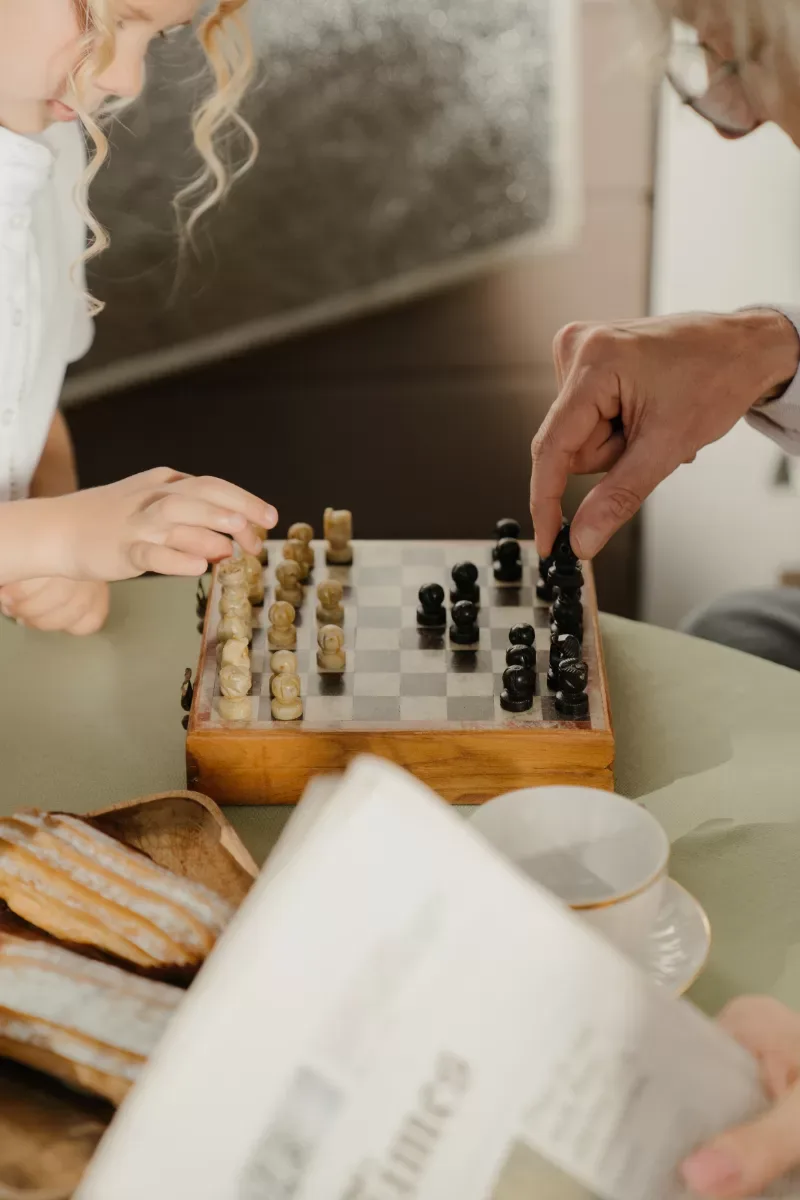
You already know about the importance of fitness for your body, but what about your mind? Your mind and mental health need just as much “Exercise” as your body does. With mental fitness, you participate in different exercises and habits to help you deal with life, improve your clarity, and have sharp mental health.

Why should you work on your mental fitness? Because it can help your brain, memory, and concentration. Many people find that their cognitive function increases dramatically with such a few mental exercises each day. Some benefits you might notice include:
If you tend to turn one tiny thing into a big something that impacts nearly every area of your life, you can definitely benefit from mental fitness. It won’t prevent stress from entering your life, but it helps you manage it better and can help you understand what stress is and isn’t. In turn, this can also help you with your anxiety.
Mental fitness exercises are also great for hosting your brain’s memory function and improving short-term and long-term memory.
In addition to managing stress, mental fitness helps with your reasoning skills, often allowing you to see things from a different perspective.
If you want to start working on your mental fitness, there are straightforward exercises and practices that you can work on. Here are some to get you started:
Visualization is a beautiful practice that everyone can benefit from. People use it for advantages, from trying to manifest the law of attraction to reducing anxiety. It is also excellent for your mental fitness.
Breathing exercises where you just focus on your inhaling and exhaling can also be beneficial. Put aside all your worries and just breathe for a few minutes a day.
Reading is a great way to get your brain working so that you might not be used to it. Read anything that interests you; challenging yourself to read both fiction and non-fiction is good for your brain.
You can also do something that gets your brain working differently than work or your personal life. For example, try a crossword puzzle or Sudoku.
